What goes on a label, and what does not
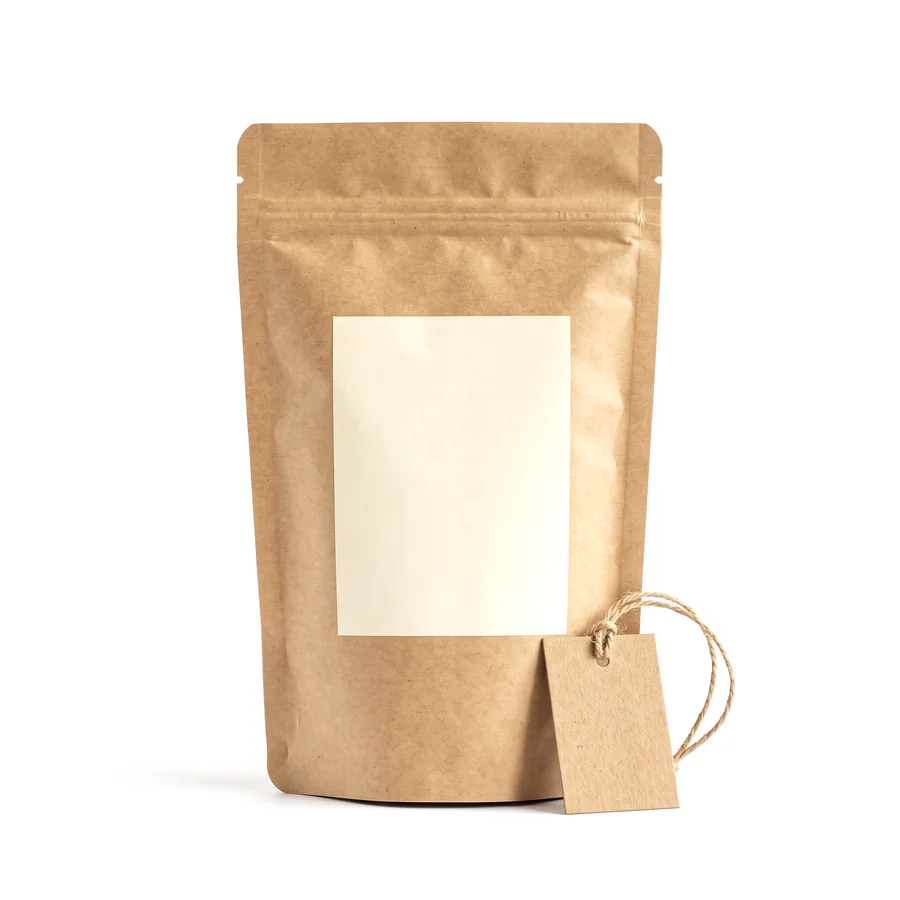
Walk down any grocery aisle and count how many packets say pure, natural, farm fresh or organic. Now try to work out, from the pack alone, what any of it actually means for the food inside.
That gap is the problem we are trying to solve, and the easiest way to fail at it is to add our own layer of pleasant, unverifiable words.
Four claims that are not the same thing
Regional origin says where something was grown. It is a statement of fact we can trace back to a supplier.
GI status says a product name is legally tied to a region. It belongs to the product category, and using the mark commercially requires meeting authorised-user requirements. It is not a quality grade.
Certified organic is an audited certification of how something was grown. It requires paperwork, inspection and a certificate — not a philosophy.
Processing — unpolished, stone-ground, cold-pressed — describes what happened after harvest. It is independent of all three above.
A pack that runs them together is not lying, exactly. It is letting you assume.
Our rule
We use each claim only on the products where it is genuinely true, and we leave the space empty where it is not. An empty space is honest. A vague word is not.
If that makes some of our packaging read as plainer than the shelf around it, that is the trade we are making.